PUBLICACIONES - PUBLICATIONS

CASAS EN HOLANDA

Casas en Holanda

Editores: Gabriel Ruiz Cabrero, Sergio Martín Blas
Editorial: Mairea libros, Madrid
ISBN: 9788492641338
Fecha de edición: 2010

Exposición − Exhibition

Proyectos − Research Projects

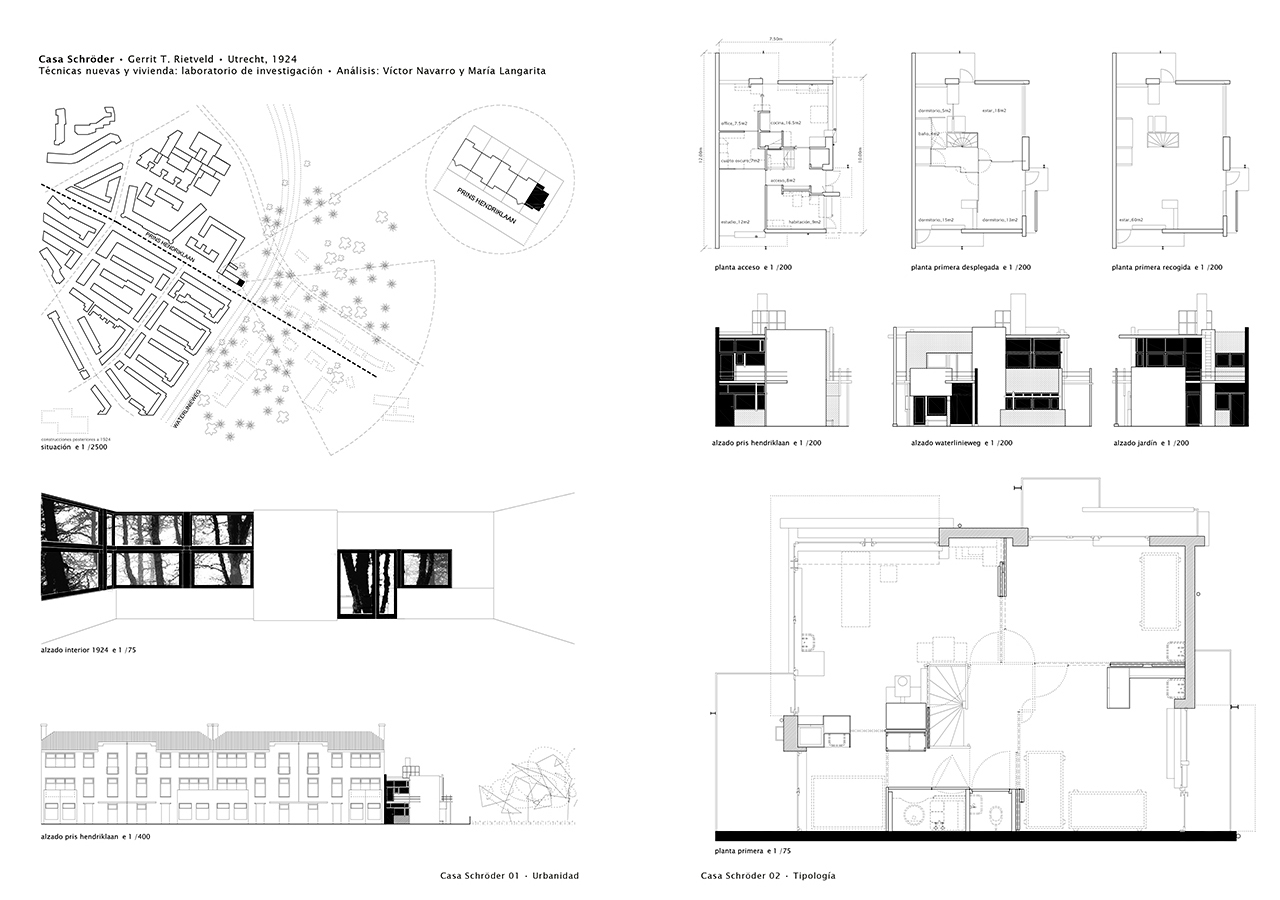
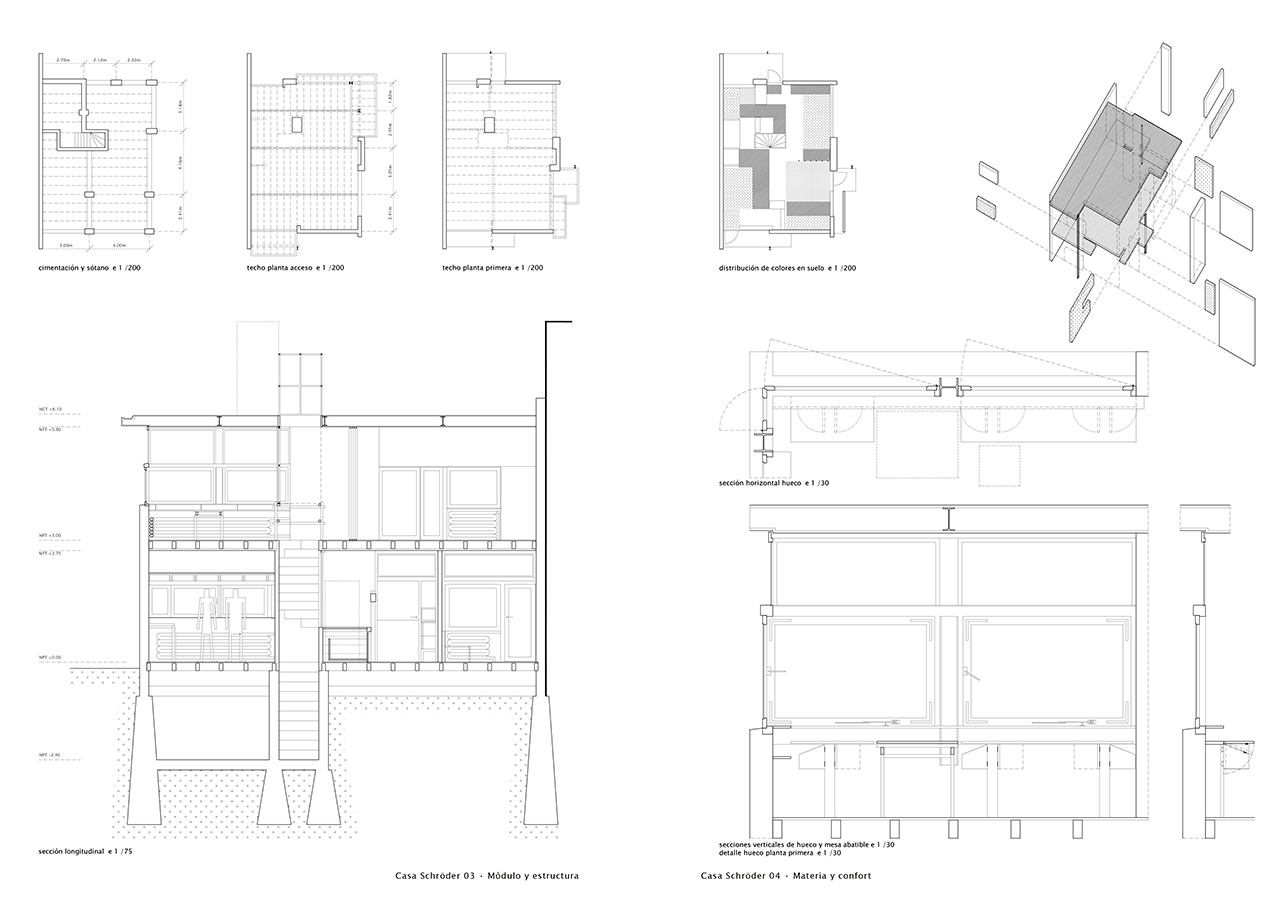
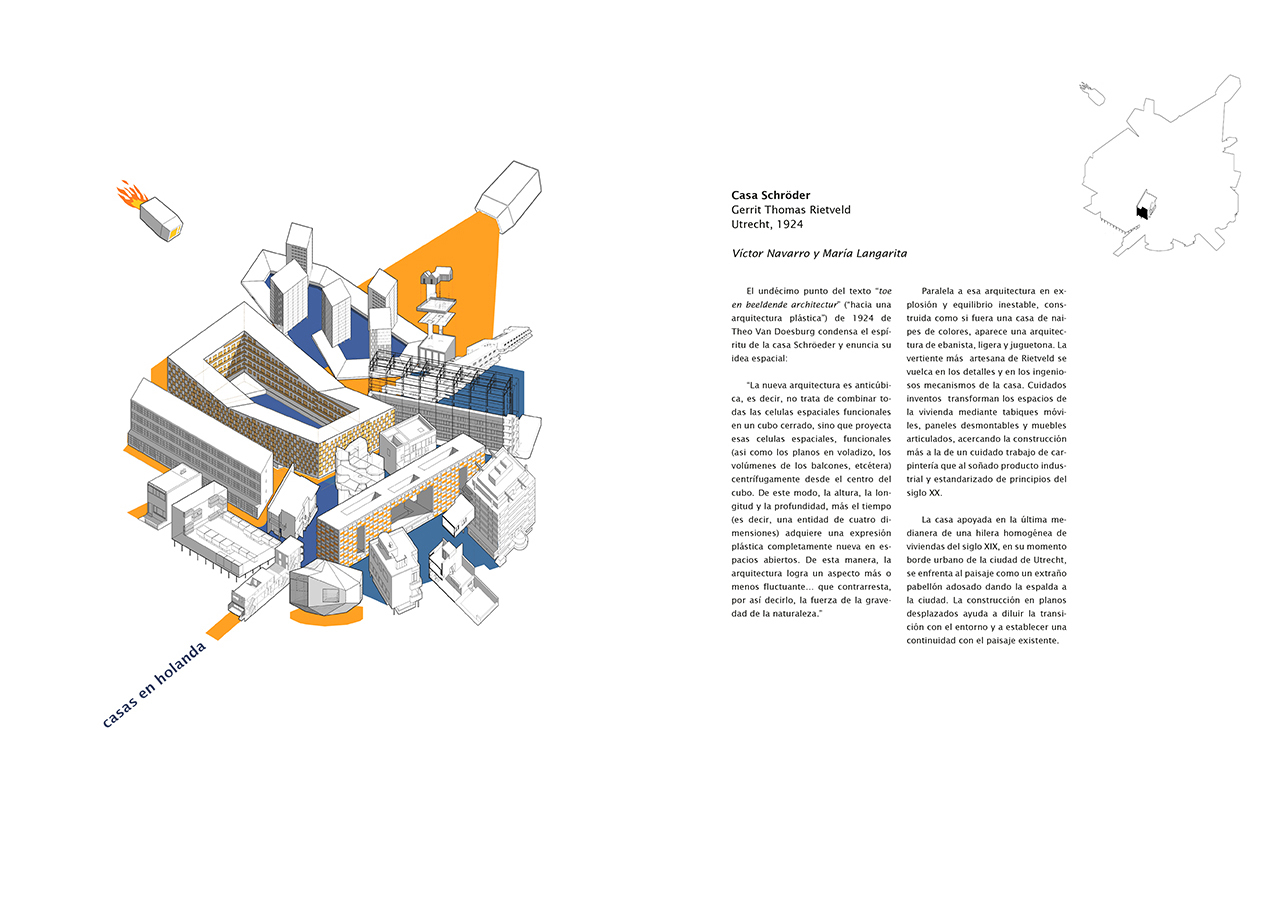
Los dibujos y otras reflexiones contenidas en esta publicación son el fruto del curso de doctorado “Nuevas Técnicas y Vivienda”, desarrollado en la ETS de Arquitectura de Madrid en el curso 2007-2008. Es el segundo de los tres que hasta ahora hemos dedicado, desde el grupo de investigación NuTAC, al estudio de la vivienda. Nos hemos interesado en estos cursos por estudiar la vivienda explorando el uso del dibujo como método de análisis. La vivienda, subconjunto de objetos manufacturados, como objeto del estudio, y el dibujo como método, son las materias sobre las que a los arquitectos matriculados en el curso les proponemos investigar. En este caso, nuestro propósito es estudiar la situación contemporánea de la vivienda en Holanda, lo que se construye y lo que se reflexiona sobre ella. Hay que decir cuanto antes que al proponernos estudiar la situación contemporánea en un país con tanta y tan dilatada tradición en este campo como Los Países Bajos, se hizo pronto evidente que el estudio se debía extender cronológicamente a todo el siglo XX, desde el arranque de eso que llamamos la modernidad. No sólo es que la continuidad de la cultura holandesa -como el texto de Ramón López de Lucio recuerda- lo haga metodológicamente necesario, es que muchos aspectos de la arquitectura “moderna” holandesa, incluso algunos hoy desatendidos en esa tierra, siguen siendo de extraordinario interés en España en este momento, siguen siendo modélicos. La Housing Act de 1901 marca el comienzo de la historia que estudiamos. La geografía es la del llamado Randstad, es decir, la zona más densamente urbanizada al suroeste del país.

Exposición − Exhibition

Proyectos − Research Projects

The drawings and other reflections contained in this publication are the fruit of the doctorate course ‘Técnicas nuevas y Vivienda’ (New techniques and housing), developed at the ETSAM in the 2007–2008 academic year. It is the second of three courses that the NuTAC research group had dedicated to the study of housing to date. They became interested in studying housing issues by exploring the use of drawing as a method of analysis. The architects on this course researched housing, as a subset of manufactured objects, as the object of study, using drawing as a method. The purpose was to study the situation of contemporary housing in the Netherlands, what is built and how it is critically received. It is important to say that by proposing the study of the contemporary situation in a country with such a long and productive tradition in this field as the Netherlands, it soon became evident that the study had to extend chronologically to include the entire 20th century, from the beginning of what we call ‘modern movement’. It is not only the continuity of Dutch culture – as the text by Ramón López de Lucio recalls – that makes this timeframe methodologically necessary, but it is also that many aspects of Modern Dutch architecture, including some that are today neglected at home, are still of extraordinary interest in Spain. They continue to be points of reference. The Housing Act of 1901 marks the beginning of the historical study. The geography is that of the Randstad, the most densely urbanized area in the south-west of the country.

Scroll al inicio